For New Yorkers, access to retirement benefits has changed quite a bit due to New York Secure Choice, a state-facilitated program that’s designed to give employees more access to retirement savings through their work. Think of it as a workplace on-ramp for employees whose employers don’t already offer a plan like a 401(k) or 403(b).
Here’s how it works: Employees contribute to their own Roth individual retirement accounts (IRAs) through automatic payroll deductions. So, a portion of each paycheck can be put toward retirement before it gets spent on another unnecessary treat, subscription, or online purchase that seemed essential in the middle of the night.
So, while eligible employers handle their side of getting the program up and running, employees can focus opting out, adjusting how much to contribute, and making the state-run plan work best for them.
And if the program hasn’t exactly been at the top of your business to-do’s, here’s the important part: It’s already here.
Registration deadlines for employers have already passed. So, for eligible employers that haven’t acted yet, now is the time to figure out where your business stands, how privately-run plan options can fit your business differently than the state-run one, and your next steps.
Who is Required to Participate in New York Secure Choice?
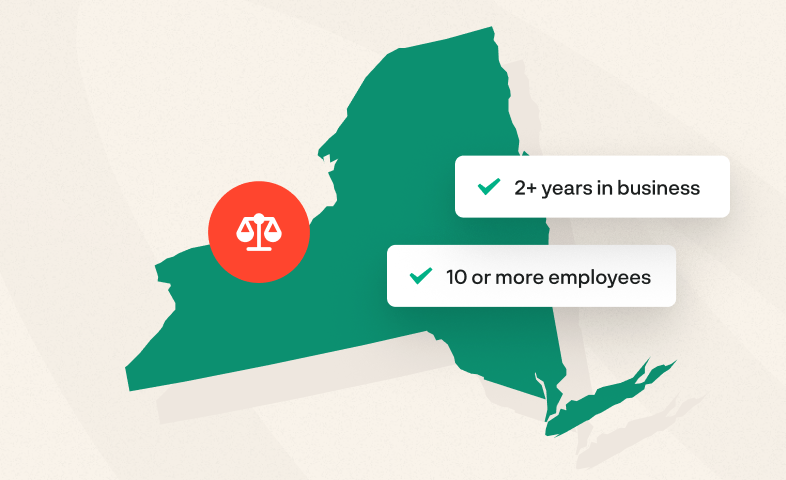
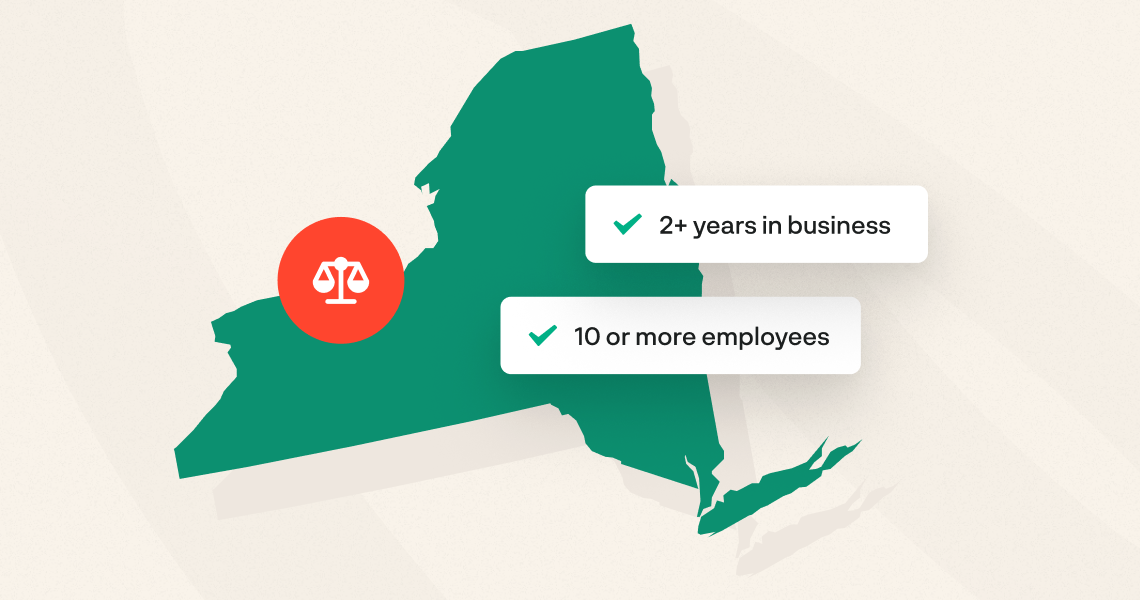
Thankfully, the rules around which businesses are required to participate are simple. Generally, employers must facilitate Secure Choice if they:
- Employed at least 10 employees in New York State at all times during the previous calendar year
- Have been in business for at least two years
- Have not offered a qualified retirement plan within the preceding two years
From our experience, what usually gets confusing for employers is once they start looking beyond the headcount today and figure out eligibility in the previous calendar year. This is where clean, efficient records and early understanding of what’s needed can especially help you instead of acting as you’re learning.
What Were the New York Secure Choice Registration Deadlines?
New York phased in Secure Choice registration based on employer size throughout 2026. As of July 15, 2026, all three deadlines have passed.
New York Secure Choice Registration Deadlines
| Number of Employees |
Registration Deadline |
Current Status |
| 30 or more |
March 18, 2026 |
Passed |
| 15-29 |
May 15, 2026 |
Passed |
| 10-14 |
July 15, 2026 |
Passed |
Remember: Just because the deadline has passed doesn’t mean the requirement is going away. If you missed the deadline and aren’t offering a qualifying plan, you need to decide on your next move ASAP. This can be registering for Secure Choice, certifying an exemption, or starting another type of retirement plan.
How to Claim an Exemption if You Already Offer a Retirement Plan
Not every New York employer with 10 or more employees is required to participate in Secure Choice. In fact, under New York law, employers can offer a qualified retirement plan instead of implementing the state one. Qualifying plans include:
If you receive a notice but believe that your business is exempt, an authorized representative can certify your exemption status through the program’s administrator. As long as your business continues to meet the criteria, you should be fine!
But this is also where keeping accurate records of your retirement plan and exemption status is crucial, and to pay attention to future communications from New York Secure choice. Requirements around the mandate can easily change quickly, so you want to stay on top it of proactively.
And if you initially participate in Secure Choice but later offer another type of qualified plan? You can certify your exemption with the program administrator, who will help you transition out of facilitating the state program.
New York Secure Choice vs. a Traditional 401(k)
New York Secure Choice is just one option for employers to choose from when implementing a retirement plan, with the traditional 401(k) being one of the most common choices they go with.
While there is no specific “right choice,” what is right for you ultimately depends on your business, employees, budget, and long-term business goals.
New York Secure Choice vs. Traditional 401(k)
| Feature |
New York Secure Choice |
Traditional 401(k) |
| Account type |
Roth IRA |
Employer-sponsored retirement plan |
| Employer contributions |
Not permitted |
Available depending on plan design |
| Employee contribution limits |
Subject to annual IRA limits |
Higher 401(k) contribution limits |
| Plan design flexibility |
Standardized state program |
Greater customization |
| Employer fiduciary responsibilities |
Limited |
More responsibilities can apply |
| Potential startup tax credits |
N/A for facilitating Secure Choice |
May be available to eligible businesses |
| Can satisfy NY retirement mandate |
Yes |
Yes, if the plan qualifies depending on federal and state requirements |
For businesses looking for a simple way to start a retirement plan for their workforce, New York Secure Choice can meet their needs for now. But employers looking for a more robust benefit that offers high contribution limits, more investment and savings opportunities, or greater customization, they may want to consider a 401(k) from the jump.
Either way, New York’s mandate shouldn’t be seen as a requirement that eliminates employer choice, but rather another reason for businesses to evaluate what benefits make the most sense for their workforce.
Can You Start a 401(k) Instead of Using New York Secure Choice?
The short answer is yes! If employers want to offer retirement benefits other than New York’s state program, they’re welcome to implement another type of qualified plan, such as a 401(k).
While New York Secure Choice was designed as a simplified option for employers who didn’t already have a workplace plan, under New York law, employers can also establish their own qualified retirement plan at any time. All employers need to do is have the right documentation that shows they started their 401(k) (or other type of plan) so they can certify their exemption from the state program.
For some businesses, a private 401(k) may provide advantages that Secure Choice doesn’t. Depending on the plan designs, employers may be able to:
- Offer high contribution limits than an Ira
- Customize eligibility, vesting, and other plan features
- Make employer matching or profit-sharing contributions
- Build a more competitive benefit that keeps employees happier, longer
Keep in mind that a 401(k) does come with additional administrative and fiduciary responsibilities compared to the state-run IRA. However, for employers looking for better flexibilities and opportunities to contribute to their employees’ savings (while building up their businesses), it may be worth comparing both options before making a decision.
What Should Employers in New York Do Now?
Because New York Secure Choice registration deadlines have already passed, it’s important that employers that meet the program’s requirements focus on getting compliant now instead of waiting for another deadline and rushing later.
A good place to start is understanding where your business currently stands:
Confirm whether your company is subject to the mandate
Generally, New York employers must facilitate Secure Choice if they employed at least 10 employees in New York throughout the previous calendar year, have been in business for at least two years, and have not offered a qualified retirement plan during the preceding two years.
Figure out if you should apply for an exemption or register
If your business is required to participate and doesn’t currently offer a retirement plan (and you don’t want to go with other options), take the steps to register for New York Secure Choice. If you already offer a qualifying plan or are in the process of starting one (like a 401(k), you can follow the process to certify your exemption.
Compare your retirement plan options
Even if compliance is at the top of your list of concerns, that doesn’t mean Secure Choice is your only option. Many employers adopt other types of plans like a traditional 401(k) so that they can get more curated features and savings options that augment that long-term benefits strategy.
Don’t ignore a missed deadline
Even if your deadline has already passed, addressing the requirement now can help your business still stay ahead of compliance and reduce the risk of potential penalties. Plus, you can treat this as the perfect time to review your broader retirement strategy to ensure you have something that actually aligns with your business’ goals.
Turn New York’s Retirement Mandate into an Opportunity
New York Secure Choice may be expanding access to workplace retirement savings across the state, but employers still have choices in the type of plan they want and how they approach benefits overall.
For some businesses, the state option may provide the most straightforward path. But for others, they may find that establishing a 401(k) provides greater flexibility, higher savings opportunities, and scalability that actually grows alongside their business.
If New York’s retirement mandate has you reconsidering your current benefits strategy, Ubiquity is here to help you explore your 401(k) options. With flat fees, customizable plan designs, and solutions built specifically for small businesses, getting started and saving more, faster, may be simpler than you think.
Ready to explore your options? Contact us today!